


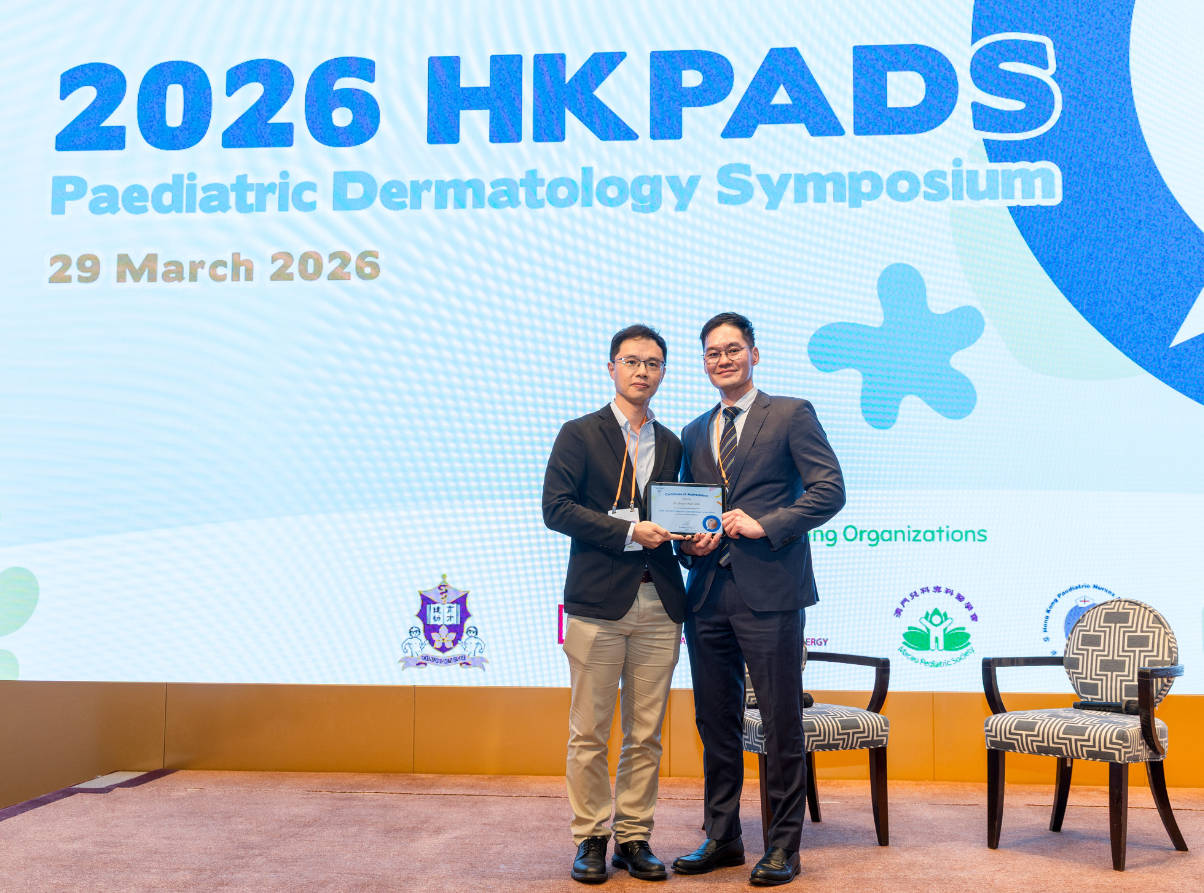
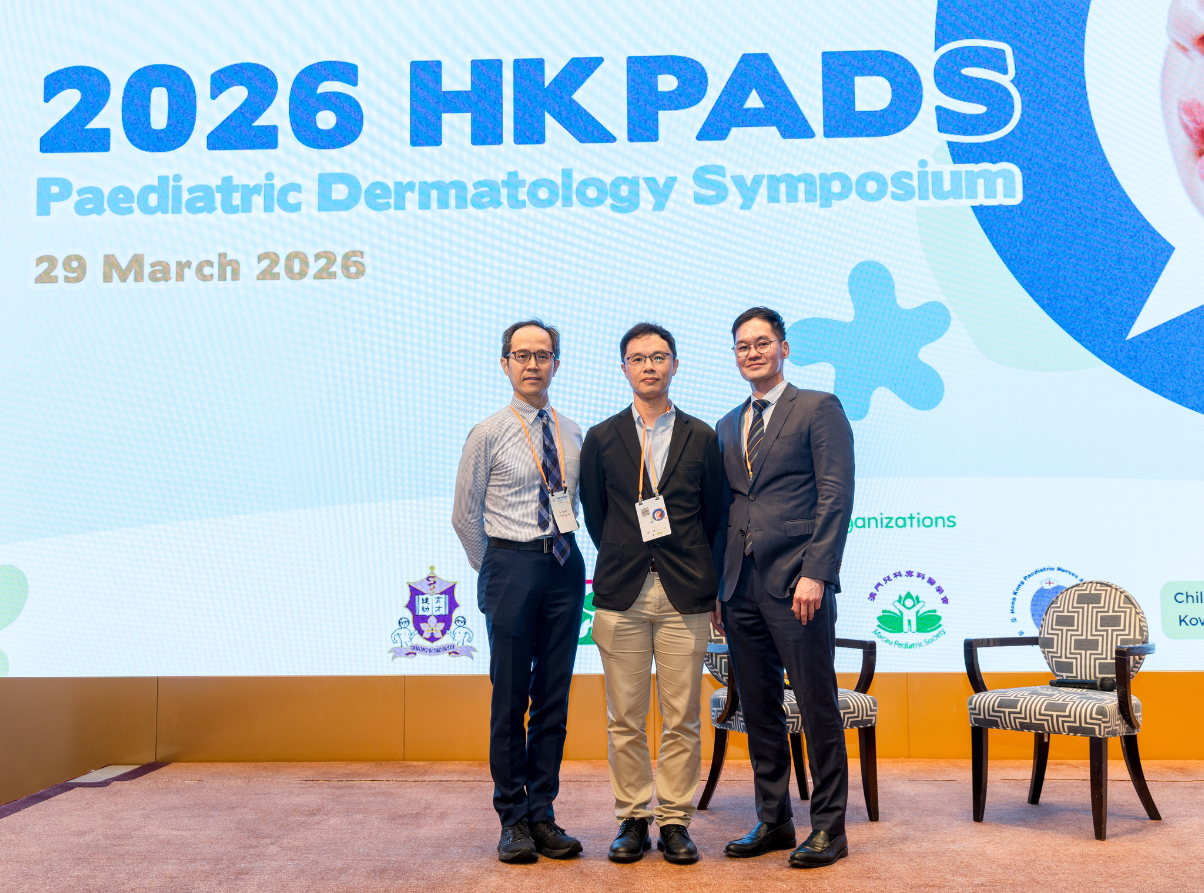
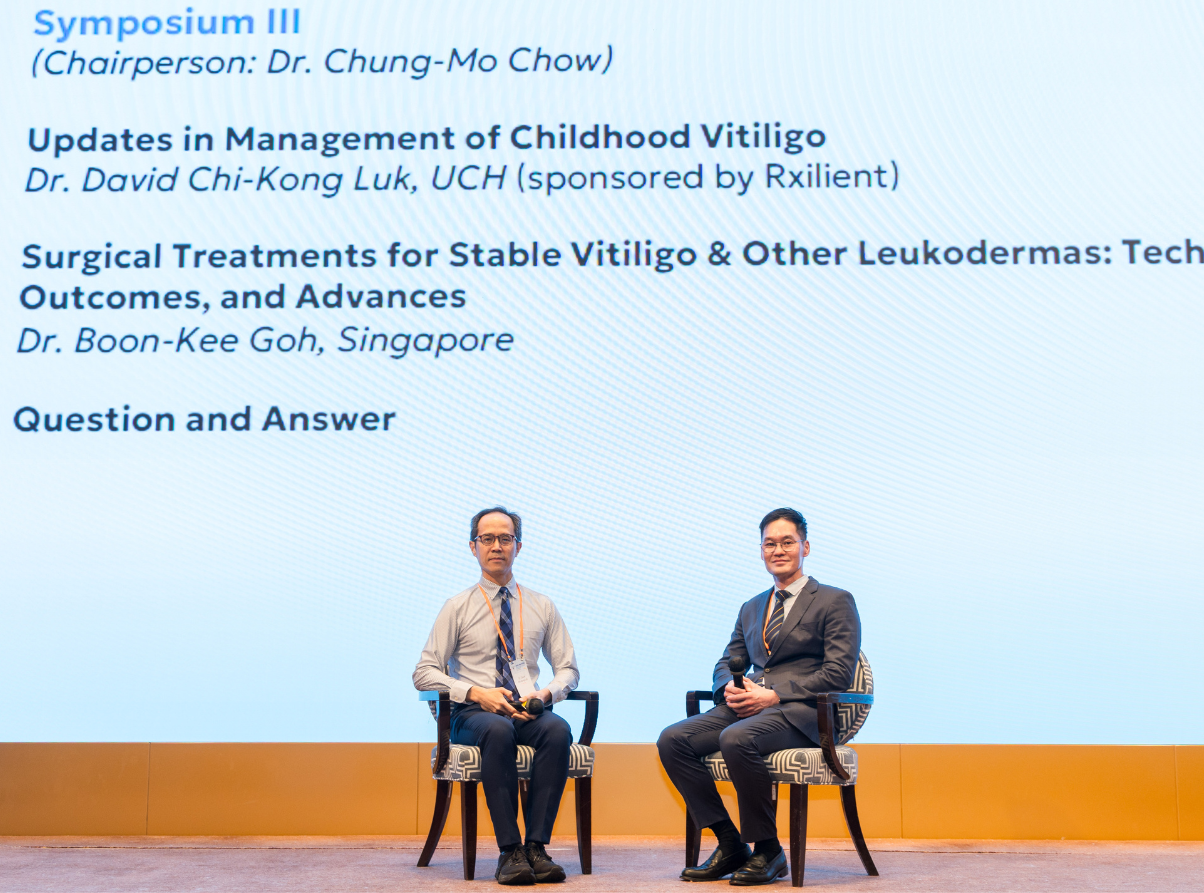
Dr Goh Boon Kee shared his expertise on the surgical treatment of vitiligo with the Hong Kong dermatologists recently, at the 2026 HKPADS Paediatric Dermatology Symposium, held on 29 March 2026 at the CORDIS, Hong Kong.
In this lecture, Dr Goh discussed the advances of non-cultured cellular grafting over the past 2 decades, and how it superseded tissue grafting in terms of superiority of results and successful outcomes.
For non-cultured cellular grafting to succeed, strict selection criteria is paramount: that vitiligo is stable and that is has failed conventional medical treatment and phototherapy.
Dr Goh also demonstrated how non-cultured cellular grafting can restore colour in other forms of skin condition with loss of pigmentation, including burns, laser complications and scars.

In recent years, Singapore has seen a remarkable surge in people seeking ways to rejuvenate and enhance their skin. From laser therapies to non-invasive facial treatments, the demand for cosmetic skin services continues to grow as individuals look for safe and effective solutions that boost one’s self-esteem and confidence. This is also no longer about vanity, as many patients are also motivated by a desire to feel comfortable in their own skin, whether that means tackling stubborn acne scars, reducing pigmentation, or even having a cosmetic dermatologist address the natural effects of ageing. But with so many clinics and treatment options available, how does one make the right choice?
Importance of Choosing the Right Clinic and Treatment
The environment in which your treatment takes place plays a huge role in ensuring favourable results. The right clinic should be a space where stringent medical standards are observed, where every step of the treatment process is carefully designed to protect your health and deliver results you can be proud of.
A reputable clinic will conduct an in-depth consultation before recommending any treatment. This step is often overlooked in less reliable practices, but it’s the foundation of successful outcomes. Whether you’re considering an anti-ageing procedure, skin rejuvenation, or visiting an acne scar physician for targeted care, the clinic’s approach should feel patient-centred, not sales-driven. The focus should be on what suits your skin and not just on promoting the latest trend.
Understanding Your Skin Needs
Before diving into the world of treatments and technology, it’s vital to understand your skin type and its unique requirements. What works well for one person may not be suitable for another. Oily skin prone to breakouts, for instance, may require different solutions compared to dry, sensitive skin. Without this necessary knowledge, you risk undergoing procedures that deliver minimal results or even worsen your skin’s condition.
This is why professional consultation is essential. A skin doctor can assess whether your concerns stem from deeper skin issues, such as hormonal imbalances or long-term sun exposure, and guide you toward effective treatment. Identifying your needs upfront avoids disappointment later and ensures that your investment truly benefits your skin health.
Qualifications and Credentials of Cosmetic Dermatologists
A well-trained, board-certified cosmetic dermatologist brings care, knowledge, and accountability to every treatment. Their medical background allows them to assess not only cosmetic goals but also underlying skin conditions that might affect the procedure’s safety or results.
In Singapore, where the industry is competitive, clinics often highlight their professionals’ qualifications as proof of their reliability. Patients should take the time to verify these credentials, looking for medical board certification, postgraduate training in dermatology, and years of clinical experience. Don’t hesitate to ask your specialist about their track record with specific treatments. You may also check online reviews of the clinic or rely on word-of-mouth recommendations from family or friends. For example, if you’re interested in laser resurfacing, you’ll want someone who has successfully performed the procedure countless times.
Treatment Options and Technology
Clinics in Singapore often offer a wide range of treatments, ranging from laser resurfacing and chemical peels to non-surgical facelifts and injectable enhancements. Some procedures target specific concerns such as acne scars or pigmentation, while others aim for general rejuvenation and maintenance.
What truly sets clinics apart is their investment in technology. Medical-grade devices not only enhance detail but also shorten recovery time and reduce discomfort. Before committing, ask whether the clinic invests in updated equipment and stays informed about global progressions in cosmetic care.
Safety, Side Effects, and Aftercare
No cosmetic treatment is completely risk-free. Even a safe procedure comes with the potential for side effects such as temporary redness, swelling, or sensitivity, and this is where aftercare becomes essential. A responsible clinic will prepare you with clear pre-treatment instructions and a well-structured post-treatment plan.
Further, the clinic should be available to support you after your procedure. This might include scheduled follow-ups, access to medical staff if concerns arise, and tailored skincare recommendations to prolong the benefits of your treatment. For example, patients undergoing laser therapy may be advised to avoid direct sun exposure and use specific calming products to reduce irritation. A patient-centred approach is a hallmark of high-quality care and should never be compromised.
Cost and Transparency
While cost is often a major consideration, it should never be the sole deciding factor. Beware of clinics that advertise suspiciously low prices, as this may be a sign of compromises in quality, technology, or practitioner expertise. At the same time, a higher price does not always guarantee better results. The key is transparency.
A trustworthy clinic will be upfront about all costs, from consultation fees to aftercare charges, and will provide clear breakdowns of what each treatment involves. They’ll also explain how many sessions are typically needed for optimal results. Transparency builds trust, and with cosmetic treatments, this trust can mean the difference between a satisfying experience and an unfortunate outcome.
Consult a Cosmetic Dermatologist at Skin Physicians
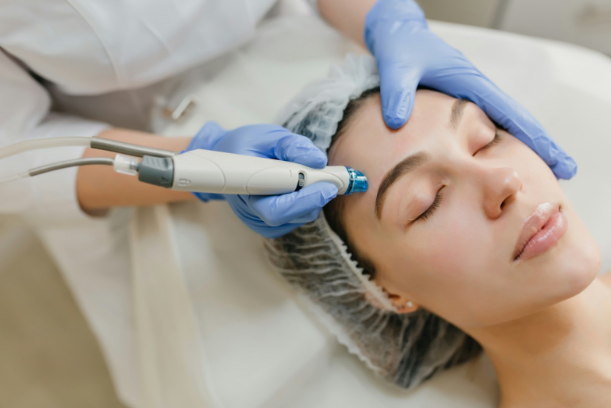
At Skin Physicians, you can be assured of proper medical care tailored to your individual needs. Operational since 2012, our clinic offers a wide range of treatments – from anti-ageing solutions and pigmentation therapies to scar management, delivered in a private, hygienic environment while upholding stringent medical standards.
Ready to take the first step in your skin care journey? Please feel free to reach out to our team today to schedule an appointment and discover how a cosmetic treatment can enhance your appearance!
Living with vitiligo can be an emotional and exhausting journey. For many individuals, it’s not just about skin depigmentation; it’s also about confidence, identity, and the courage to become comfortable with noticeable differences in your skin’s appearance. Fortunately, medical progressions have made managing vitiligo effective, and appropriate guidance and treatment can be provided through a tailored consultation at a dermatology clinic. This blog article explores how finding the right vitiligo clinic in Singapore can provide the necessary advice and tailored treatment plans to help manage the condition.
Personalised Care Tailored to Each Individual
Vitiligo isn’t a one-size-fits-all condition, and it varies in how it appears, spreads, and responds to treatment. Visiting a specialised vitiligo clinic means that patients receive access to skin doctors and medical professionals who focus specifically on this unique condition. They understand the subtle nuances and how certain factors, such as stress, hormonal changes, or autoimmune issues, can trigger or worsen depigmentation.
Unlike general clinics, a dedicated clinic uses targeted diagnostics to assess the type, extent, and activity of vitiligo. This personalised evaluation helps doctors create a treatment plan that fits the patient’s skin type, lifestyle, and long-term goals.
Access to Treatments and Medical Technology
A significant benefit of seeking treatment at a reputable vitiligo clinic is access to specialised medical technology for varying skin conditions. Treatments for vitiligo have progressed significantly over the years. Apart from typical creams and UV therapy, many clinics now offer detailed procedures like cellular grafting for vitiligo – a surgical option that transfers healthy melanocytes (pigment-producing cells) to depigmented areas to encourage repigmentation.
This procedure, when suitable, can lead to consistent and natural-looking results, especially for stable patches that haven’t responded to other forms of treatment. Patients will be treated and attended to, by knowledgeable healthcare professionals who possess the required experience and tools to perform these delicate procedures safely and effectively, which is something that general dermatology centres may not be equipped to do.
Emotional Support and Counselling
Anyone who has lived with vitiligo is aware of the emotional toll that this condition can bring to their lives. Apart from it being physically taxing, having vitiligo also leads to patients enduring more anxiety, social discomfort, and experiencing a loss of self-esteem when patches appear on visible areas like the face or hands.
Specialised clinics understand this psychological burden, and in addition to medical treatment, they may be able to provide or refer patients to counselling services. Being able to talk openly with a trained professional or others living with vitiligo can be deeply reassuring, and it reminds patients that they’re not alone. It helps them cope with unnecessary stares or comments, and empowers them to speak about their condition with confidence.
Comprehensive Medical Services Under One Roof
A specialised vitiligo clinic in Singapore will typically provide a comprehensive range of medical and aesthetic skin treatments, extending beyond vitiligo care alone. This is especially helpful since people diagnosed with vitiligo may also experience other skin conditions or concerns that need medical attention, such as eczema, sun sensitivity, or dry skin.
Having access to skin specialists ensures that all aspects of skin health are cared for, and this integrated approach saves time and helps build a stronger relationship between the patient and respective healthcare team.
When patients know they have a trusted clinic to turn to for any skin-related needs, it can significantly ease their stress and encourage them to keep up with regular check-ups and customised treatment plans.
Medical Advice on Lifestyle and Prevention
Dermatologists who specialise in treating vitiligo can advise patients on how to manage their lifestyle to help manage their condition effectively. Patients may not realise it at first, but there’s more to vitiligo management than medical treatments alone. Everyday habits can affect how quickly depigmentation progresses and how well the skin responds to therapy. For example, too much sun exposure can worsen depigmented patches, but moderate sun exposure can help stimulate pigment production when done under supervision.
A dedicated dermatology clinic can educate patients on how to protect their skin, which sunscreens to choose, which cosmetics are safe, and how to camouflage patches if they wish to. They will also provide advice on diet, stress management, and other lifestyle factors that may exacerbate the vitiligo. This holistic guidance helps people take an active role in their own care.
A Boost in Confidence and Quality of Life
A significant benefit of consulting a vitiligo clinic in Singapore is a boost in self-confidence and overall quality of life. Knowing that a dedicated team is working to restore skin pigment, minimise new patches, and provide emotional support can be reassuring and encouraging for patients.
Skin Medical Services in Singapore by Skin Physicians
Having commenced operations in 2012, Skin Physicians is a dermatology clinic that specialises in providing tailored advice and treatment plans for all types of skin, hair, and nail conditions in children and adults. Our team prioritises patient comfort and dedicated care in a private and hygienic clinic setting while adhering to stringent medical standards.
Please reach out to a member of our team today to schedule a consultation at a vitiligo clinic in Singapore!
The skin is the body’s largest organ and often the first line of defence against any illnesses or injuries. Yet, many individuals are quick to dismiss skin issues as minor irritations when they require the advice and guidance of a dermatologist. Identifying the difference between a harmless rash and something that requires specialised care is vital for your health and confidence. This blog article explores seven skin conditions that should never be ignored, and when it’s time to book an appointment with a skin dermatologist in Singapore.
1. Persistent Acne That Won’t Clear Up
Acne is quite common, but when breakouts become severe, painful, or resistant to over-the-counter treatments or usual skincare products, it’s time to see a skin specialist. For instance, cystic acne can lead to scarring if not treated properly. A consultant dermatologist can assess whether hormones, stress, or other underlying factors are causing the breakouts and provide appropriate treatments such as prescription medications, medical-grade facials, or laser therapies.
2. Suspicious Moles or Skin Growths
Moles are typically harmless, but any sudden change in colour, size, or shape is something to be concerned about. If a mole becomes asymmetrical, develops irregular borders, or starts to bleed, it’s time to schedule a consultation with a dermatologist. Early detection is crucial when it comes to skin cancer, and only a skin specialist can accurately diagnose suspicious growths. Individuals should do regular skin checks, especially if they have a family history of skin cancer.
3. Chronic Rashes and Eczema Flare-Ups
Many people struggle with eczema, but persistent rashes that itch, ooze, or crack can severely impact the skin and one’s quality of life. A medical and aesthetic dermatology clinic can help you manage chronic skin conditions by tailoring treatments to your specific triggers. Dermatologists can also identify underlying allergies, prescribe targeted therapies, and recommend appropriate lifestyle adjustments to keep flare-ups under control.
4. Sudden Hair Loss or Thinning
Hair loss can be a sign of hormonal imbalances, autoimmune conditions, or stress-related issues. If you notice sudden bald patches, thinning hair, or excessive shedding, it’s time to book an appointment with a skin dermatologist in Singapore. Early intervention and timely care and treatment can help reduce hair loss, encourage regrowth, and address any underlying health issues contributing to the issue.
5. Severe Psoriasis or Uncontrolled Flare-Ups
Psoriasis is a chronic autoimmune condition that can cause dry, scaly patches on the skin that are uncomfortable, painful, and affect your self-esteem. Severe flare-ups may require stronger treatments to properly address the issue. A consultant dermatologist can create a long-term management plan that might include biologic injections for moderate to severe psoriasis, UV light therapy, or even lifestyle modifications to reduce triggers.
6. Unexplained Pigmentation Changes
Dark spots, sudden patches of lighter skin, or other pigmentation issues can indicate hormonal changes, sun damage, or other underlying medical conditions. Conditions such as melasma, vitiligo, or post-inflammatory hyperpigmentation require careful diagnosis and targeted treatment plans. A skin dermatologist in Singapore can offer treatment options such as chemical peels, laser treatments, or prescription creams to even out skin tone safely and effectively.
7. Chronic Skin Infections
If you’re battling recurring fungal infections, boils, or skin abscesses, don’t rely on over-the-counter medication and treatments, as self-medicating can be dangerous. Chronic skin issues may be a sign of a weakened immune system or underlying health problems. A dermatologist will be able to identify the root cause and prescribe appropriate antifungal or antibiotic treatments to help clear out the infection and prevent recurrence.
The Importance of Early Intervention
Whether it’s stubborn acne or suspicious moles, seeing a specialist early can prevent minor issues from becoming serious health problems that can affect your lifestyle and self-confidence. Skin conditions often have deeper causes, and a knowledgeable dermatologist has the right training to uncover and treat them comprehensively. Apart from medical treatment, many dermatology clinics today offer holistic skin medical and aesthetic dermatology services, giving you access to both medical-grade solutions and cosmetic procedures to keep your skin healthy and radiant.
Consult a Skin Dermatologist in Singapore at Skin Physicians
At Skin Physicians, dermatology is our speciality, and we understand that your skin does a lot for you every day. When it shows signs of distress, don’t ignore it. If you’re dealing with any of the conditions listed above, or if you’re simply unsure whether your skin problem is serious, consulting a qualified medical professional is recommended.
Our team specialises in diagnosing and treating all types of skin, hair, and nail problems, and we are committed to providing patients with tailored consultations and treatments for children and adults. Please feel free to reach out to our team today to schedule an appointment.
Sensitive skin can be challenging and incredibly frustrating to deal with. One moment your skin seems calm, and the next, it’s red, irritated, or stinging from a product that claims to be gentle. Many individuals, regardless of age or gender, struggle with sensitive skin and the constant trial-and-error of finding what works and what doesn’t. While the ever-evolving beauty and skincare industry is quick to offer multiple creams and serums that promise to target sensitive skin, there are a few things as valuable as the guidance of a qualified skin specialist when it comes to understanding and managing sensitive skin in the long run.

In this comprehensive blog article, let’s unpack how skin doctors help people manage sensitive skin, from pinpointing triggers to designing treatments that protect and soothe.
Understanding the Root Causes of Sensitive Skin
Skin that reacts easily to environmental factors, ingredients, and even stress can be described as sensitive. For some individuals, it might be due to underlying conditions such as rosacea, eczema, or allergic contact dermatitis, while for others, it could be a genetic condition.
Through detailed consultations, patch tests, or even skin biopsies (if required), a skin specialist plays a rather vital role in assisting patients manage their sensitive skin issues. They identify the cause of the sensitivity; this step is essential because no matter how expensive your skincare products are, they can’t help much if you don’t know what you’re treating.
Creating a Personalised Skincare Routine
One of the biggest mistakes people with sensitive skin make is jumping from one product to another, hoping that the next product will be the solution to their skin issues. This only makes the skin barrier weaker. Consulting a skin doctor ensures that patients receive a tailored skincare routine that is created for their specific skin issue.
Specialists can recommend products that are fragrance-free, hypoallergenic, and non-comedogenic, in addition to guiding patients on how to introduce them slowly into their existing skincare routine. They can also suggest medical-grade products that aren’t available over the counter but have been tested for sensitive skin. With time and patience, these products, in addition to customised skin medical services, can help your skin heal and strengthen.
Managing Flare-Ups and Allergies
Sometimes, sensitive skin doesn’t just involve redness and discomfort. It can come with intense flare-ups, hives, or rashes that won’t go away with moisturising. This is when having a skin specialist is really helpful, as they can prescribe topical treatments or oral medication to calm inflammation and prevent infections. If your flare-ups are linked to allergies, a skin consultant may be able to identify certain triggers to check whether they’re in your diet or daily environment.
Skin specialists also understand how the weather can make certain skin issues worse. Sweat, pollution, and sun exposure can also be common triggers for skin sensitivity. Keeping these factors in mind, they’ll not only treat your current flare-ups but also help you plan ahead for extremely humid or dry seasons or situations that might cause issues.
Education and Long-Term Care for Sensitive Skin
An underrated benefit of consulting a skin doctor is the knowledge that patients receive with regard to their respective condition. They will take the time to educate you on your skin issue, what’s causing it, and what you can do to effectively manage it.
Further, a specialist may also teach patients how to read labels on skincare products to identify any triggering ingredients, how to spot early signs of a reaction, and how to make appropriate lifestyle adjustments that protect the skin.
Simple changes such as switching laundry detergents, avoiding extreme temperatures, or learning how to apply sunscreen properly can make a huge difference for sensitive skin. This guidance builds confidence in a patient, so they are not stuck in the cycle of reacting to every flare-up without knowing what to do.
When to See a Skin Doctor for Sensitive Skin
Many people may delay seeing a skin specialist because they assume sensitive skin is just a cosmetic issue. It’s time to consult a specialist if you’re experiencing one or more of the following:
– Persistent or worsening skin irritation
– A mole or patch of skin that has changed in colour, shape or size
– Itchy rashes that won’t seem to go away
– Stubborn acne
– Scars from acne, blemishes, cuts, or scrapes
Consult a Singapore Skin Doctor at Skin Physicians
If you’re experiencing constant skin irritation or other underlying conditions that indicate skin sensitivity, it’s time to consult a skin doctor. Established in 2012, Skin Physicians is a dermatology clinic that specialises in diagnosing and treating all types of skin, hair, and nail issues. Our team of specialists is committed to providing patients with personalised consultations and treatments for sensitive skin in children and adults.
Please do not hesitate to reach out to our team today to schedule a consultation. You may contact us via phone at (+65) 67336466 or via email at enquiry@skinphysicians.com.sg. Our clinic is open on weekdays from 9:00 am to 5:30 pm and on Saturdays from 9:00 am to 12:30 pm.
Affecting millions worldwide, vitiligo is a skin condition that not just alters a person’s physical appearance but also affects their emotional well-being. It is characterised by the loss of skin pigmentation and appears as lighter patches of skin that appear on various parts of the body. This condition isn’t contagious or life-threatening but has a huge impact on self-esteem and confidence. This guide provides valuable insights for individuals seeking treatment, helping them identify the right skin medical services to help them navigate this journey.
What Is Vitiligo?
Vitiligo occurs when melanocytes, the cells responsible for producing pigment, stop functioning or die. Vitiligo can also be caused by environmental triggers, stress, and genetic changes. This skin condition can manifest at any age, although it typically starts before the age of 30.
Vitiligo is typically classified into two main types:
– Segmental Vitiligo: Appears on one side or a specific area of the body.
– Non-Segmental Vitiligo: This is the more common type and involves symmetrical patches on both sides of the body, often affecting the hands, feet, face, and areas around body openings.
Understanding what type of vitiligo you have is vital for determining appropriate treatment options.
Evaluation of Your Specific Vitiligo Condition
No two vitiligo cases are the same, which is why a personalised approach to evaluation is important. Start by consulting a reputed vitiligo clinic in Singapore, where a dermatologist will assess factors such as:
– The type and extent of your vitiligo
– How quickly the condition is progressing
– Associated symptoms or conditions, such as autoimmune disorders.
In certain cases, additional tests such as blood work or a skin biopsy may be recommended to rule out other conditions. This comprehensive evaluation forms the foundation for selecting treatments tailored to your specific needs.

Types of Skin Medical Services for Vitiligo
Vitiligo treatment has evolved significantly over the years, offering various medical services to restore pigmentation, slow the condition’s progression, or enhance cosmetic appearance.
Common treatment options include:
1. Topical Treatments
These are often the first line of defence and may help repigment skin in early or localised cases.
2. Light Therapy
Narrowband UVB phototherapy is a sought-after option for widespread vitiligo. It can help stimulate melanocyte activity and halt depigmentation
3. Cellular Grafting for Vitiligo
This surgical procedure involves transplanting healthy melanocytes from one part of the body to affected areas. This is especially effective for stable, non-progressive vitiligo and offers favourable results in terms of restoring skin tone.
4. Psychological Support
Counselling or therapy can be quite helpful for individuals struggling with vitiligo, and can help them manage the stress and emotional challenges that come with having vitiligo.
Choosing the Right Specialist
Selecting the correct healthcare provider is just as important as choosing the treatment itself. With so many options for specialists available, here are some essential factors you need to consider:
1. Expertise and Credentials: Search for a specialist with extensive experience in treating vitiligo. Dermatologists, particularly those who specialise in autoimmune skin conditions, are often a recommended choice. Individuals can consider making an appointment with a dermatology clinic that is likely equipped to handle a wide range of skin conditions, including vitiligo. Their expertise in managing complex skin disorders ensures a higher standard of care and patient support.
2. Customised Treatment Plans: A good specialist will tailor their approach based on the specifications of your condition. During the consultation, ask about the range of treatment options available and whether they align with your needs and lifestyle.
3. Modern Treatments: Opt for a clinic that offers progressive treatments such as cellular grafting or phototherapy, as these treatment approaches provide optimal results.
4. Patient Reviews and Testimonials: Online reviews and testimonials can provide plenty of valuable insights into a specialist’s specific treatment approach and effectiveness. Positive feedback from other patients is often a good indicator of quality care. Be sure to read reviews on Google before making an appointment with a clinic.
5. Consider Comprehensive Care: Vitiligo may occur alongside other conditions such as psoriasis or eczema. A clinic with a diverse team, including a psoriasis physician in Singapore or an eczema physician, ensures you receive holistic care if you have multiple skin concerns.
Consult Skin Medical Services at Skin Physicians
Living with vitiligo can be a rather challenging journey, but the right care can make all the difference in a patient’s life. By understanding your condition, exploring personalised skin medical services, and selecting a qualified and experienced specialist, you can take necessary steps toward effective treatment and enhanced quality of life.
Providing a wide range of services pertaining to medical and aesthetic skin conditions, Skin Physicians is a dermatology clinic that prioritises patient comfort and care in a private and calming environment. We believe in providing clinically-proven and personalised treatments to our patients to ensure optimal outcomes and patient satisfaction.
For appointments and inquiries, please do not hesitate to get in touch with our team via phone at (65) 67336466 or via email at enquiry@skinphysicians.com.sg. We are open on weekdays from 9am to 5:30pm and on Saturdays from 9am to 12:30pm.
Acne scars are a frustrating reminder of past breakouts often affecting both self-confidence and emotional well-being. These scars can vary in type and severity, often requiring customised solutions to achieve optimal results. Understanding your unique skin type is a key factor in determining the most suitable treatment approach. This article explores how different skin types affect the choice of acne scar treatments and how individuals can approach them with guidance from a dermatologist.
Understanding Different Skin Types
Before exploring specific treatment options, it’s important to understand the different characteristics of each skin type. Recognising your skin type helps ensure that the chosen treatment aligns with your skin’s needs.
1. Normal Skin
Normal skin is well-balanced, neither excessively oily nor overly dry, making it adaptable to most acne scar treatments. Its natural resilience makes it easier to tolerate almost any cosmetic procedure. However, those with normal skin should also avoid aggressive methods to prevent unnecessary irritation.
2. Oily Skin
Oily skin is generally characterised by an overproduction of sebum and is prone to clogged pores and frequent breakouts. This skin type can tolerate stronger treatments but can be susceptible to post-inflammatory hyperpigmentation, requiring appropriate guidance by an acne scar physician.
3. Dry Skin
Dry skin lacks adequate moisture and can feel tight and appear flaky. This means that strong treatments like chemical peels may not be the ideal option to combat acne scars. Gentler options that work on hydrating the skin while addressing scars are recommended.
4. Combination Skin
This skin type combines oily and dry areas, usually in the T-zone and cheeks, respectively. Combination skin requires a different approach and treatments typically address excess oil production and dryness to avoid aggravating either condition.
5. Sensitive Skin
Sensitive skin is easily irritated and usually reacts to environmental changes, skincare products, and treatments. Treating sensitive skin should be done with caution and should ideally include treatment options that are gentle and prevent redness, swelling, or further damage.

Acne Scar Treatments for Different Skin Types
When it comes to combating acne scars, it is advisable to seek the guidance of an experienced cosmetic physician, who can ensure that the treatments are tailored to your skin and scar type, irrespective of whether it is atrophic, hypertrophic, or pigmented.
1. Normal Skin
Normal skin offers the flexibility to explore a variety of treatments. Popular options include laser resurfacing, which targets deeper scars, and microneedling, which encourages collagen production. Both treatments require precision, and consulting an acne scar physician is necessary to ensure effectiveness while minimising associated risks. Normal skin also responds well to topical retinoids and vitamin C serums, which lighten discolouration over time.
2. Oily Skin
Acne scar treatment for oily skin typically combines scar reduction with oil control. A recommended treatment option is a chemical peel that uses salicylic acid as this exfoliates dead skin cells and reduces acne formation. Another treatment option is fractional CO2 lasers which targets deep scars while enhancing overall skin texture. Further, skincare routine should incorporate oil-free moisturisers to maintain optimal balance, but it’s advisable to seek the assistance from a consultant dermatologist before using any skincare products.
3. Dry Skin
Dry skin typically requires treatments that enhance hydration while also repairing damage. Hyaluronic acid dermal fillers are a good option for atrophic scars as they plump the skin and enable scar healing. Individuals with dry skin should avoid overly abrasive techniques as this can ruin the skin barrier. Microdermabrasion or low-strength peels performed by a skin doctor can provide favourable results.
4. Combination Skin
Combination skin requires personalised solutions that cater to its dual nature. A recommended treatment approach is radiofrequency microneedling, which offers a targeted yet comprehensive solution, addressing scars in both oily and dry areas without overwhelming or irritating the skin. Exfoliating acids such as glycolic acid can help enhance scar texture and tone, but it’s advisable to patch-test any treatment in consultation with a cosmetic physician to avoid complication or irritation.
5. Sensitive Skin
Sensitive skin often benefits from low-intensity treatments, such as non-ablative lasers that minimise redness while combating scars. Another treatment approach is enzyme-based peels or skincare products that contain aloe vera and centella asiatica can also promote repair and calm inflammation. Consulting a dermatologist before starting any treatment or using new products is crucial to ensure safety and effectiveness for this skin type.
Consult a Cosmetic Physician at Skin Physicians
Having acne scars can negatively impact your self-confidence and can often feel like a permanent fixture, but with the appropriate treatment options and advice, they can be effectively reduced or managed. An appropriate treatment plan is needed irrespective of your skin type and the expertise and guidance of an acne scar physician at a clinic such as Skin Physicians.
Specialising in providing expert care for medical and aesthetic skin conditions, Skin Physicians prioritises patient comfort and care in a calm and confidential setting. We are dedicated to providing clinically-proven and tailored treatments that ensure favourable results and patient satisfaction.
Please feel free to reach out to us via phone at (65) 67336466 or via email at enquiry@skinphysicians.com.sg to schedule a consultation today.
Eczema is a chronic inflammatory skin condition that affects millions worldwide. It is characterised by skin redness, itching, and dryness, leading to immense physical discomfort, emotional stress, and disruptions to daily activities. Given its multifaceted impact, addressing eczema requires a thoughtful, individualised approach to care. This article features five key factors involved in developing a tailored eczema treatment plan to meet the unique needs of each patient.
The Importance of a Personalised Treatment Plan
Eczema presents differently in each person, with varying triggers, severity of the condition, and responses to treatment, all of which are factors that highlight the need for personalised treatment. A customised treatment plan not only enhances skin health but also empowers affected individuals with the effective strategies to manage symptoms and prevent flare-ups.
Listed below are five key factors essential for developing a customised treatment plan:
1. Understanding Your Type of Eczema and Its Triggers
The first step in developing an effective treatment plan begins with identifying the type of eczema you have. Whether it’s atopic dermatitis, contact dermatitis, or dyshidrotic eczema, understanding its nature is essential to choose the most appropriate treatment methods. Another factor to keep in mind is triggers, of which common ones include allergens, harsh weather conditions, certain fabrics, stress, and even hormonal fluctuations. Patients should keep note of what triggers their eczema flare-ups and mention it to their eczema physician.
2. Consulting with a Dermatologist
Affected individuals require professional medical guidance when dealing with eczema, and this starts with a consultation with a dermatologist, specifically an eczema physician. They will tailor treatment based on a thorough understanding of your specific condition.
Further, they will provide a thorough diagnosis, recommend appropriate eczema medication, and identify underlying issues such as allergies or immune system irregularities. Dermatologists specialising in eczema may also explore other treatment options such as topical creams or phototherapy to address the symptoms and causes of the condition.
3. Developing a Personalised Skincare Routine
A key factor in effectively managing eczema is skincare, and a proper skincare routine not only soothes irritation, but also strengthens the skin barrier, making it less prone to flare-ups.
It is recommended that patients use mild, gentle, fragrance-free cleansers and moisturisers that have been specifically designed for sensitive skin. Moisturising twice a day is essential to lock in hydration and prevent dryness. These products may be recommended by an eczema physician, to target inflamed areas and manage flare-ups.
Sun protection is also vital, as many suffering from eczema find that UV exposure worsens their symptoms. Mineral-based sunscreens minimise the risk of irritation, but before using any product, make sure to consult with your dermatologist first.

4. Implementing Necessary Lifestyle and Dietary Changes
Lifestyle and dietary habits can significantly influence eczema, and while these factors may not always be the primary cause, certain foods and environmental factors can worsen symptoms.
Incorporating an anti-inflammatory diet rich in fruits and vegetables may help reduce flare-ups. Dairy, gluten, and nuts can be eczema triggers so it’s always best to check if consuming these items trigger your flare-ups.
Apart from dietary considerations, environmental factors can make a huge difference for effectively managing eczema symptoms. Patients should maintain optimal humidity levels at home, wear breathable fabrics, and opt for hypoallergenic detergents in their laundry routine.
5. Monitoring Progress
An essential aspect of any personalised eczema treatment plan is consistent monitoring at a skin medical and aesthetic dermatology clinic. Skin conditions often fluctuate, and tracking progress ensures that your treatment approach remains effective.
Frequent consultations with your dermatologist allow for adjustments in treatment approach, depending on how your skin responds. If a particular type of eczema medication isn’t working, your physician may recommend alternatives or a combination of treatment options for favourable outcomes.
Patients can also consider monitoring their progress in a notebook while also taking photos of affected areas on their skin on a regular basis. This helps them identify patterns of flare-ups in case they need to show it to a dermatologist. This systematic approach keeps your treatment plan on track but also leaves room for improvements.
Receive Personalised Eczema Treatment at Skin Physicians
Managing eczema is a journey that requires patience, commitment, and a comprehensive approach. By understanding your condition, seeking proper medical advice from an eczema physician, and adopting a lifestyle that supports skin health, you can reclaim control and minimise the impact of eczema on your life.
Providing skin medical services, Skin Physicians is a clinic that specialises in medical and aesthetic skin conditions in a confidential and calming space, designed to ensure comfort and ease for our patients. We believe in providing clinically-proven and personalised treatments to ensure favourable outcomes and patient satisfaction.
For appointments and inquiries, please feel free to get in touch with our team via phone at (65) 67336466 or via email at enquiry@skinphysicians.com.sg. We are open on weekdays from 9am to 5:30pm and on Saturdays from 9am to 12:30pm.
Facial pigmentation is a common skin concern that affects many individuals regardless of age or skin type. This condition occurs when certain areas of the skin become discoloured, often leading to uneven skin tone. While facial pigmentation is harmless, it can be a source of distress for many people and this can affect their confidence. This article delves into what facial pigmentation is, its causes, the different types, and effective strategies for managing and minimising its appearance.
What is Facial Pigmentation?
Facial pigmentation refers to the darkening or discolouration of certain areas on the face due to an overproduction or uneven distribution of melanin. Melanin is the pigment responsible for the colour of our skin, hair, and eyes. Darker or lighter patches appear on the skin when melanin production becomes imbalanced or disrupted. Facial pigmentation can appear in various forms, from freckles and sunspots to more extensive discolouration such as melasma or post-inflammatory hyperpigmentation.
This condition can affect all skin types and tones, but it often appears more prominently in individuals with darker skin due to their naturally higher melanin levels. Those concerned about changes in their skin tone should consult a skin pigmentation physician in Singapore to gain a clearer understanding of their condition and explore suitable skin pigmentation treatment options.
Common Causes of Facial Pigmentation
There are several factors which contribute to facial pigmentation, such as:
Sun Exposure: Prolonged exposure to ultraviolet (UV) radiation from the sun is one of the leading causes of facial pigmentation. UV rays stimulate melanin production, leading to the formation of dark spots or patches known as sunspots. Over time, repeated sun exposure can result in more widespread pigmentation issues.
Genetics: Genetics play a significant role in determining how prone an individual is to facial pigmentation. If you have a family history of pigmentation disorders, you may be more likely to develop them yourself. Some people naturally produce more melanin than others, making them more susceptible to certain types of pigmentation issues.
Hormonal Changes: Hormonal fluctuations, particularly during pregnancy, menopause, or the use of oral contraceptives, can trigger a form of pigmentation known as melasma. This condition is often characterised by dark, irregularly shaped patches on the face, particularly on the cheeks, forehead, and upper lip.
Skin Injuries and Inflammation: Any form of injury or inflammation, including acne, eczema, or cuts, can lead to post-inflammatory hyperpigmentation (PIH). This occurs when the skin overproduces melanin in response to damage, resulting in darker patches at the site of the injury.

Types of Facial Pigmentation
Facial pigmentation can occur in various forms, such as:
Melasma: Melasma is a common form of pigmentation that appears as large, dark patches on the skin. It is usually triggered by hormonal changes, sun exposure, or both. Women who are pregnant or using birth control are more susceptible to melasma.
Post-Inflammatory Hyperpigmentation (PIH): Post-Inflammatory Hyperpigmentation (PIH) is another form of facial pigmentation where patches of skin become darker than the surrounding areas due to excess melanin production. This can occur as a result of sunburn, burns, acne, or other skin injuries.
Hypopigmentation: Hypopigmentation is the opposite of hyperpigmentation, and occurs when the skin loses melanin, resulting in lighter patches. Conditions such as vitiligo or skin injuries that damage melanin-producing cells can lead to hypopigmentation.
Sunspots: Sunspots are small, dark spots that appear on areas of the skin frequently exposed to the sun, such as the face, hands, and shoulders. Sunspots are common in older adults but can occur in younger individuals with prolonged sun exposure.
Addressing Facial Pigmentation
Facial pigmentation can be quite challenging to treat, and seeking advice and appropriate treatment from a skin pigmentation physician can help you identify the most suitable skin pigmentation treatment for your specific skin condition. Some common preventative measures and treatment options available are:
- Prevention
– Sun Protection: Regularly applying sunscreen with a high SPF is one of the best ways to prevent facial pigmentation from worsening. Sunscreen helps block harmful UV rays, reducing the risk of new pigmentation forming.
– Avoiding Triggers: If hormonal changes or certain medications are causing pigmentation, it may be worth discussing alternative treatments with your doctor. Further, protecting the skin from further injury or inflammation can help prevent post-inflammatory hyperpigmentation.
– Topical Antioxidants: Skincare products that contain antioxidants such as vitamin C or niacinamide can help protect the skin from free radical damage, reducing the likelihood of pigmentation.
- Treatment Options
– Topical Treatments: Over-the-counter or prescription creams that contain ingredients such as hydroquinone, retinoids, or azelaic acid can help lighten dark spots and reduce pigmentation. These treatments work by inhibiting melanin production or promoting cell turnover to fade pigmented areas.
– Chemical Peels: Chemical peels use acids to exfoliate the top layers of skin, promoting the growth of new skin and reducing the appearance of pigmentation. Mild to moderate pigmentation issues can benefit from this type of treatment.
– Laser Therapy: For more stubborn pigmentation, laser therapy can be an effective option. This treatment targets pigmented cells with concentrated light, breaking them down so that they are naturally removed by the body. Laser treatments should be performed by an experienced skin specialist (dermatologist), to avoid potential risks.
Cosmetic Skin Services by Skin Physicians
Facial pigmentation is a skin condition faced by many individuals. It manifests in different ways and there are numerous causes for it. By understanding the different types of facial pigmentation and the available preventive and skin pigmentation treatment options, individuals can take steps to manage and improve the appearance of their skin. Consulting a skin specialist (dermatologist) is recommended to determine a suitable approach to achieve a radiant and even complexion.
Skin Physicians Singapore is a specialist skin clinic providing cosmetic medical services for all medical and aesthetic skin conditions in a private and calming environment, to ensure comfort and ease for our patients. We believe in providing clinically-proven and personalised treatments to our patients to ensure optimal outcomes and patient satisfaction.
Please feel free to contact Skin Physicians today to schedule an appointment.
Affecting millions of people worldwide, psoriasis is a chronic skin condition that is caused by the rapid buildup of skin cells, causing red, scaly patches and inflammation on the skin. This auto-inflammatory disorder can be unpredictable with symptoms ranging from mild to severe that can significantly impact a person’s quality of life. Managing psoriasis effectively requires a suitable and personalised treatment plan involving medication, lifestyle changes, and ongoing care. This article discusses how patients can effectively manage their condition by consulting a psoriasis physician in Singapore and highlights five key factors to consider when choosing one.
The Importance of Choosing the Right Psoriasis Physician
While many general practitioners can diagnose psoriasis, the importance of choosing a dermatologist cannot be overstated. Psoriasis is a multifaceted disease that often requires not just medical treatment but also emotional and psychological support owing to the immense toll it can take on a patient’s mental health. A qualified psoriasis physician can help patients manage flare-ups, minimise symptoms, and enhance their overall well-being.
Psoriasis varies from person to person and choosing a physician with expertise in managing this condition is important to ensure that a patient receives personalised treatment and care. Here are five key factors to consider when choosing a physician to provide suitable psoriasis treatment:
- Expertise in Dermatology
One of the most important qualifications to look for in a psoriasis physician in Singapore is a strong background in dermatology. Unlike general healthcare providers, a dermatologist with extensive experience in treating psoriasis will have a deep understanding of the condition’s complexities, including its triggers, symptoms, and impact on overall health. Additionally, their expertise enables them to stay updated on the modern treatment options, ensuring that patients receive the most effective and personalised care for managing their condition.
- Comprehensive Treatment Approach
A common misconception of psoriasis is that it is just a skin condition but in fact it can often be linked to other health issues, such as psoriatic arthritis and cardiovascular issues. Therefore, it is essential to choose a physician who adopts a comprehensive approach to psoriasis treatment. They should be knowledged in coordinating care for the other conditions frequently associated with psoriasis, ensuring that patients receive a holistic and effective treatment plan.
Further, a qualified dermatologist will discuss a range of treatment options such as topical and oral medications, ultraviolet light therapy, and biologics therapy, helping you decide which option is suitable for your specific condition. Lifestyle changes and stress management play a vital role in controlling psoriasis flare-ups and a psoriasis physician should be able to offer guidance on these areas or refer you to specialists who can support you in managing the condition from all angles.
- Patient-Centred Communication
Effective communication is vital in any patient-physician relationship, but it’s especially important for chronic conditions such as psoriasis, where ongoing treatment adjustments may be required to ensure optimal outcomes. A good psoriasis physician will take the time to understand your specific concerns, treatment preferences, and lifestyle needs. They should explain the benefits and drawbacks of each psoriasis treatment option in clear, understandable terms, allowing you to make informed decisions about your health.
- Accessibility and Availability
Living with a chronic condition like psoriasis means that accessibility and availability of your physician are key factors to consider. Psoriasis is often unpredictable, with flare-ups that can occur suddenly and require immediate medical attention. When choosing a psoriasis physician in Singapore, it’s essential to find one who is not only located conveniently but also available for timely appointments and responsive to urgent concerns.
- Patient Reviews and Recommendations
Lastly, one of the best ways to gauge a psoriasis physician’s reputation is through patient reviews and recommendations. You can check online review platforms to gather feedback on potential physicians. However, patients mustn’t entirely rely on online reviews. Personal recommendations from family members, friends, or other healthcare providers can also help you find a trusted and respected psoriasis physician. Firsthand accounts of successful treatment journeys can offer reassurance that you’re making the right choice for your health and well-being.

Skin Medical Services by Skin Physicians
Choosing the right psoriasis physician is an important step in effectively managing psoriasis, as the complexity of the condition demands specialised and effective care. An experienced physician will not only have expertise in dermatology but also take a comprehensive approach to treatment, communicate openly and empathetically, be accessible when required, and come well recommended by other patients. By considering these five key factors, you can find a psoriasis physician who will guide you toward an effective psoriasis treatment plan, helping you achieve control over your condition and an enhanced quality of life.
Searching for a skin consultant to effectively manage your psoriasis? Skin Physicians is a clinic dedicated to providing expert care for both medical and aesthetic skin conditions in a calming, private setting, ensuring patient comfort and care. We are committed to offering clinically-proven, personalised treatments that deliver the optimal results and enhance patient satisfaction.
Please reach out to us via phone at (65) 67336466 or via email at enquiry@skinphysicians.com.sg, to schedule an appointment today.

